
























You will not be allowed to compare more than 4 products at a time

Collection: Varisaipet Kanchipuram Silk Sarees
A curated selection of handwoven pure silk sarees featuring the Varisaipet border — a traditional multi-band structure where repeated woven lines build along the edge into a layered, architectural frame. Part of the pure silk Kanchipuram family. Every saree is Silk Mark certified and sourced directly from artisan weaver families. Free shipping across the USA.
Showing 1-24 of 38 Results
-
Vendor:Idam Living
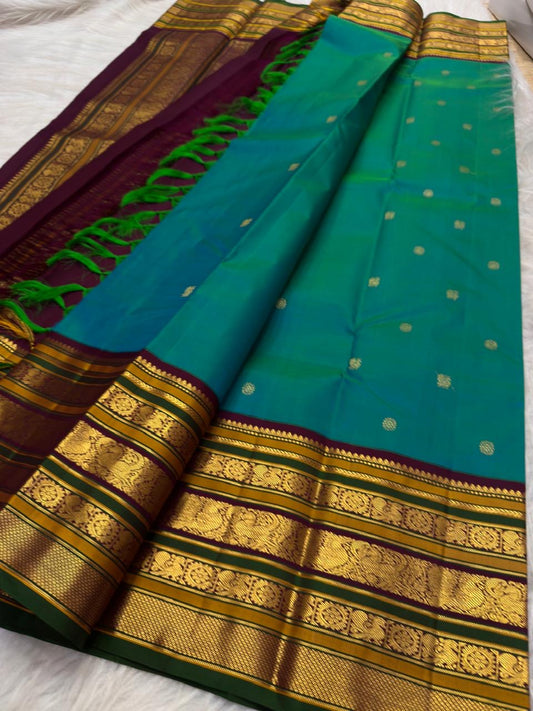
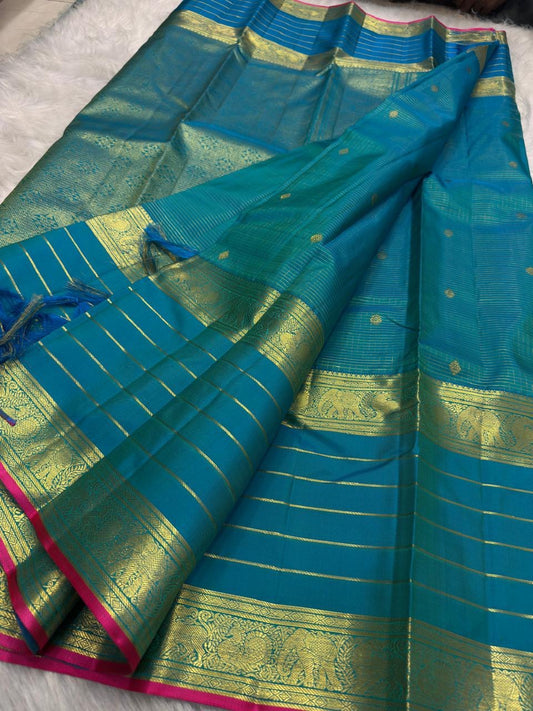
Peacock Blue-Green Handwoven Pure Silk Kanjipuram Varisaipet Saree with Petite Buttas and Multi-Motif Zari Border
Regular price $374.00Sale price $374.00 Regular priceUnit price perSold Out -
Vendor:Idam Living
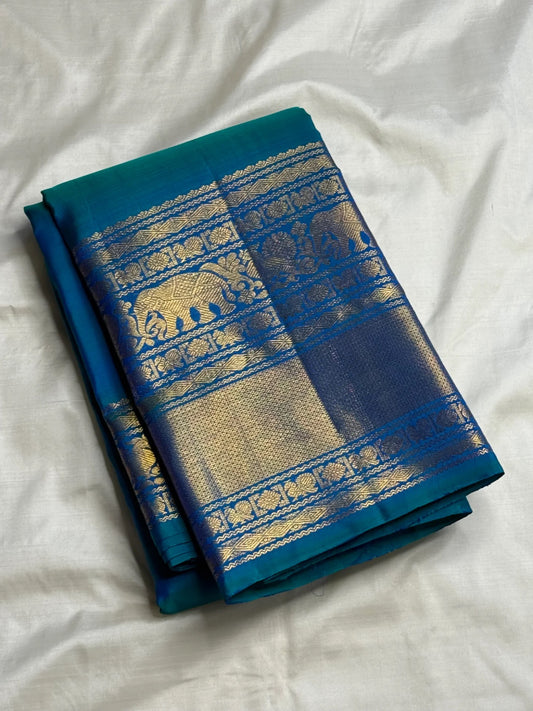
Radiant Peacock Blue Handwoven Pure Silk Kanjivaram Varisaipet Saree with Gold Zari Buttas and Elephant Border
Regular price $294.00Sale price $294.00 Regular priceUnit price per -
Vendor:Idam Living
Deep Purple Handwoven Pure Silk Kanjeevaram Varisaipet Saree with Burnt Orange, Green and Antique Gold Zari Border
Regular price $374.00Sale price $374.00 Regular priceUnit price per -
Vendor:Idam Living
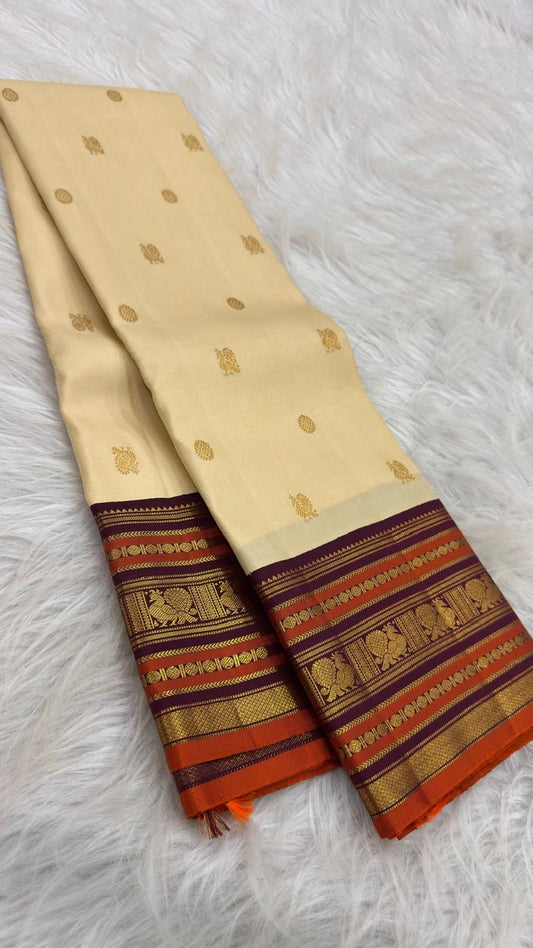
Warm Ivory Handwoven Pure Silk Kanjivaram Varisaipet Saree with Deep Aubergine Purple, Burnt Orange and Antique Gold Zari Border
Regular price $374.00Sale price $374.00 Regular priceUnit price per -
Vendor:Idam Living
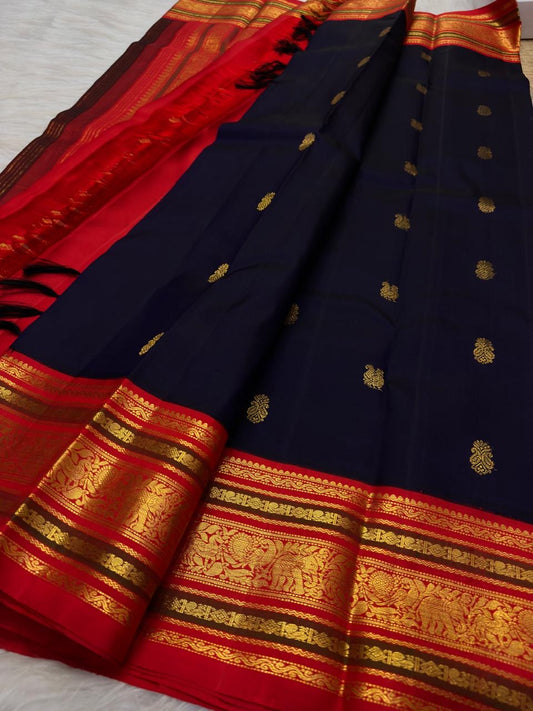
Ink Navy Blue Handwoven Pure Silk Kanjivaram Varisaipet Saree with Vermilion Red and Antique Gold Zari Border
Regular price $374.00Sale price $374.00 Regular priceUnit price per -
Vendor:Idam Living
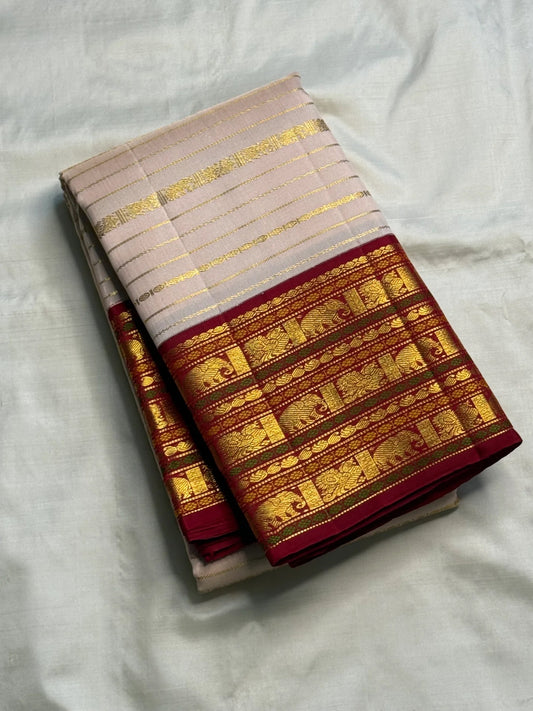
Warm Ivory Handwoven Pure Silk Kanjeevaram Varisaipet Saree with Arakku Red and Antique Gold Zari Border
Regular price $374.00Sale price $374.00 Regular priceUnit price per -
Vendor:Idam Living
Sandalwood Beige Handwoven Pure Silk Kanjivaram Varisaipet Saree with Mint Green and Antique Gold Zari Border
Regular price $329.00Sale price $329.00 Regular priceUnit price per -
Vendor:Idam Living
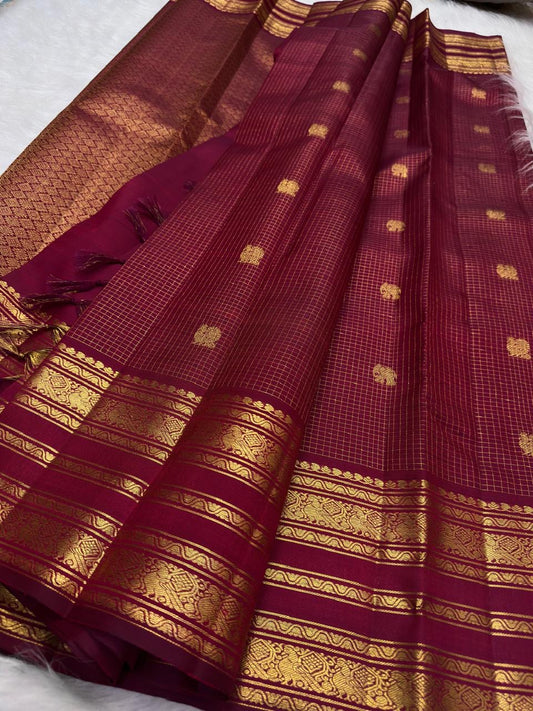
Deep Raspberry Maroon Handwoven Pure Silk Kanjivaram Varisaipet Saree with Antique Gold Zari Motifs and Rich Woven Pallu
Regular price $329.00Sale price $329.00 Regular priceUnit price per -
Vendor:Idam Living
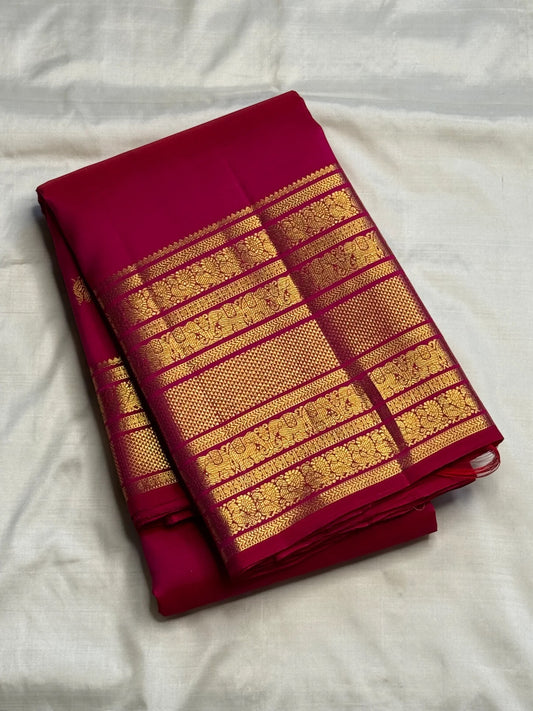
Rani Pink Handwoven Pure Silk Kanjivaram Varisaipet Saree with Antique Gold Zari Buttas and Grand Woven Pallu
Regular price $289.00Sale price $289.00 Regular priceUnit price per -
Vendor:Idam Living
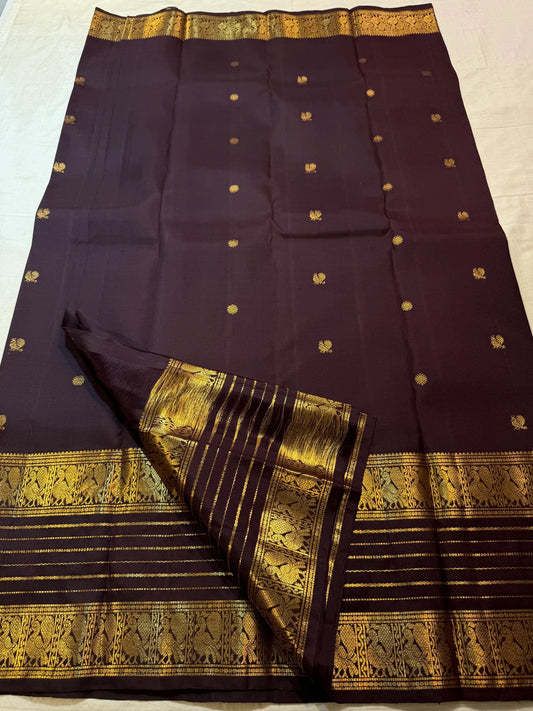
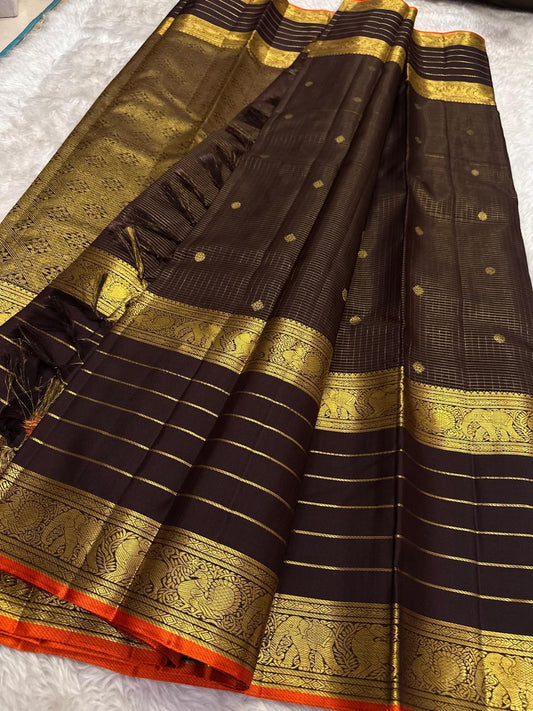
Deep Kanchana Brown Handwoven Pure Silk Kanjivaram Varisaipet Saree with Antique Gold Traditional Bird Zari Border
Regular price $294.00Sale price $294.00 Regular priceUnit price per -
Vendor:Idam Living
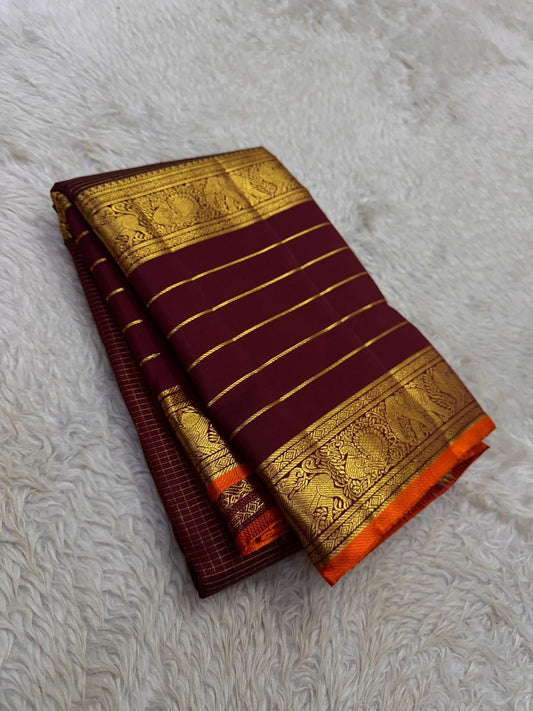
Deep Maroon Handwoven Pure Silk Kanjivaram Varisaipet Saree with Antique Gold Mayil Zari Border and Burnt Orange Selvedge
Regular price $299.00Sale price $299.00 Regular priceUnit price perSold Out -
Vendor:Idam Living
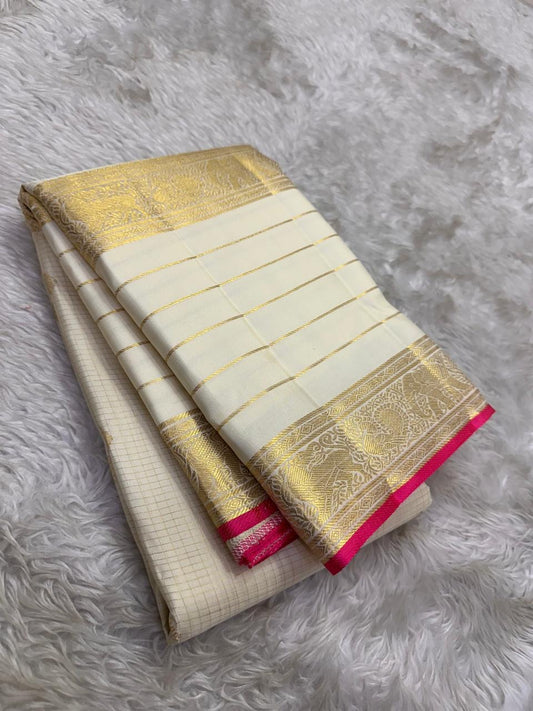
Warm Ivory Handwoven Pure Silk Kanjivaram Varisaipet Saree with Antique Gold Mayil Zari Border and Rani Pink Selvedge
Regular price $299.00Sale price $299.00 Regular priceUnit price per -
Vendor:Idam Living
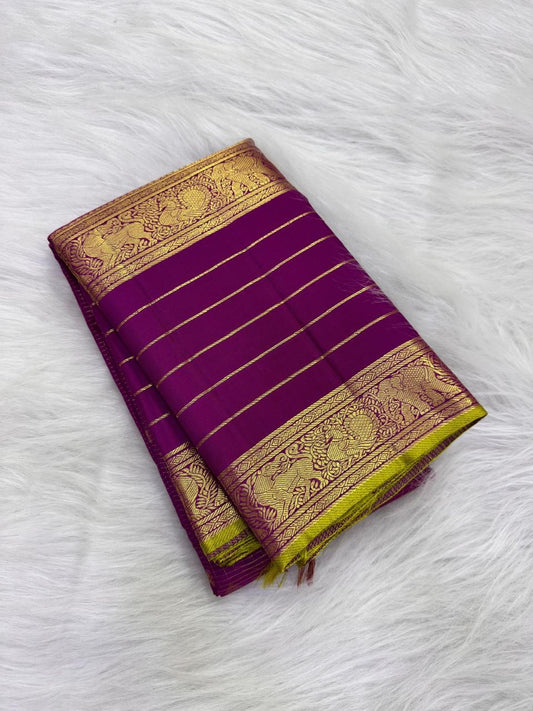
Vadamalli Purple Handwoven Pure Silk Kanjivaram Varisaipet Saree with Antique Gold Traditional Zari Border and Lime Green Selvedge
Regular price $299.00Sale price $299.00 Regular priceUnit price per -
Vendor:Idam Living
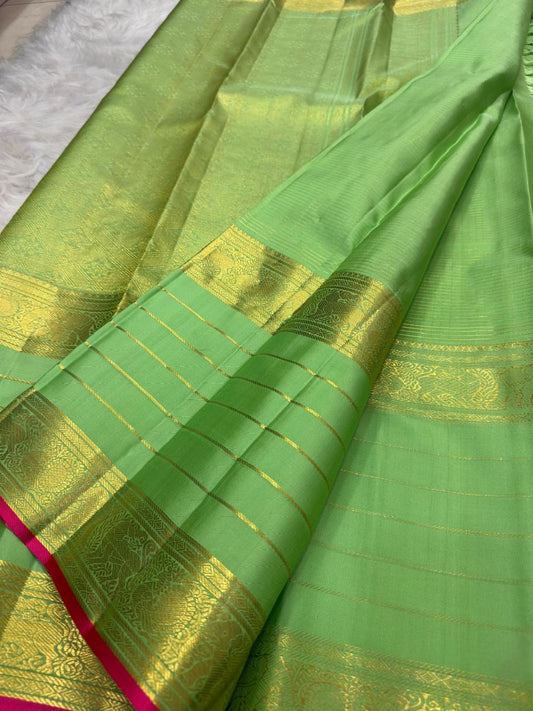
Ilai Pachai Green Handwoven Pure Silk Kanjivaram Varisaipet Saree with Antique Gold Traditional Zari Border and Rani Pink Selvedge
Regular price $299.00Sale price $299.00 Regular priceUnit price per -
Vendor:Idam Living
Mayil Kazhuthu Blue-Green Handwoven Pure Silk Kanjivaram Varisaipet Saree with Antique Gold Traditional Zari Border and Rani Pink Selvedge
Regular price $299.00Sale price $299.00 Regular priceUnit price per -
Vendor:Idam Living
Deep Kanchana Brown Handwoven Pure Silk Kanjivaram Varisaipet Saree with Antique Gold Traditional Zari Border and Burnt Orange Selvedge
Regular price $299.00Sale price $299.00 Regular priceUnit price per -
Vendor:Idam Living
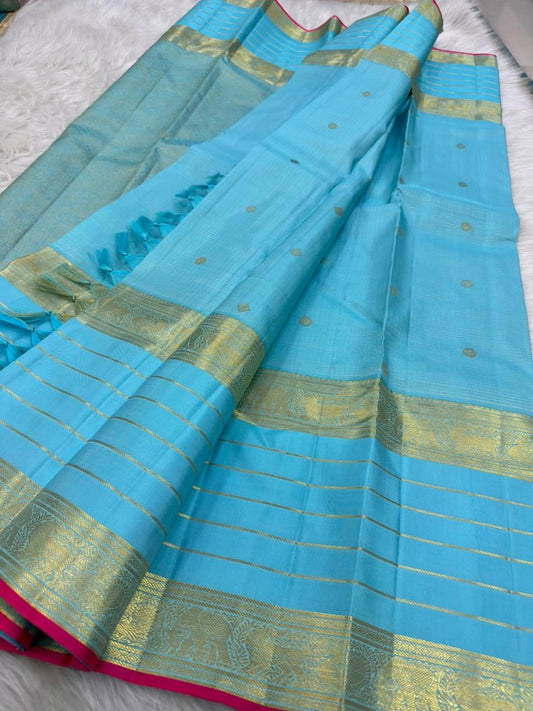
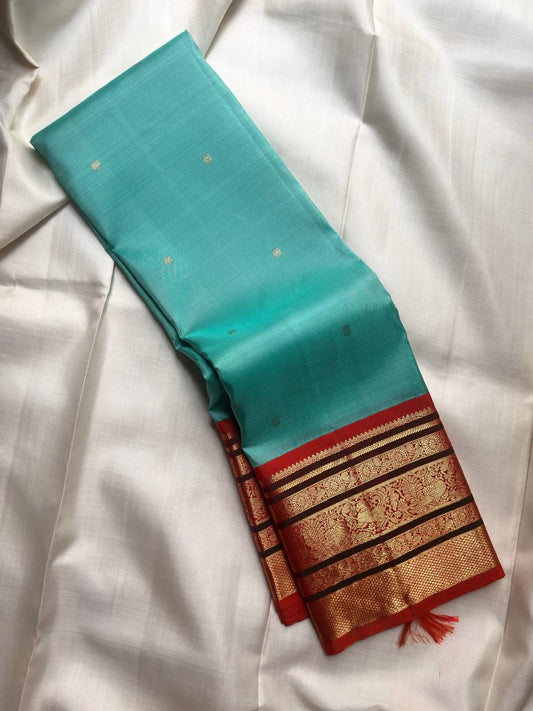
Sky Blue Handwoven Pure Silk Kanjivaram Varisaipet Saree with Antique Gold Traditional Zari Border and Rani Pink Selvedge
Regular price $299.00Sale price $299.00 Regular priceUnit price per -
Vendor:Idam Living
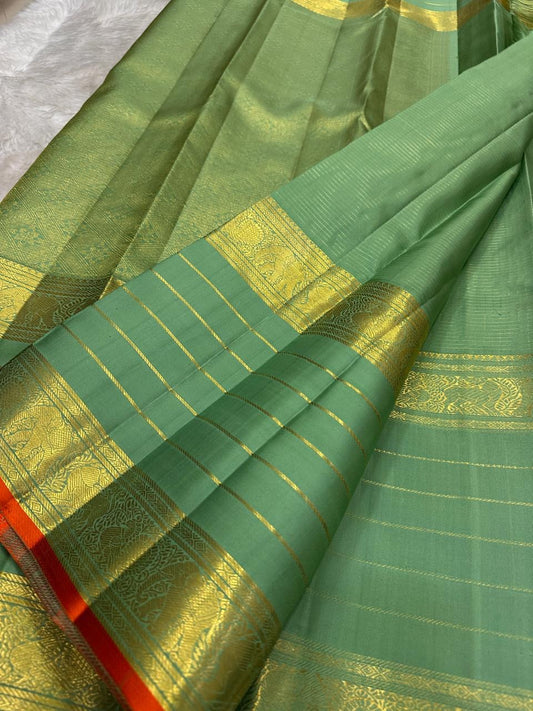
Sage Green Handwoven Pure Silk Kanjivaram Varisaipet Saree with Antique Gold Traditional Zari Border and Burnt Orange Selvedge
Regular price $299.00Sale price $299.00 Regular priceUnit price per -
Vendor:Idam Living
Sea Green Handwoven Pure Silk Kanjivaram Varisaipet Saree with Antique Gold Traditional Zari Border and Burnt Orange Selvedge
Regular price $299.00Sale price $299.00 Regular priceUnit price per -
Vendor:Idam Living
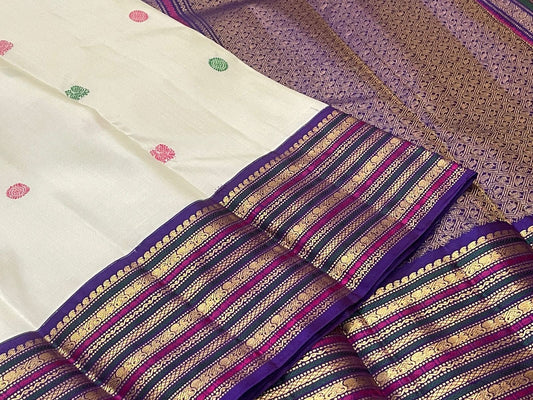
Warm Ivory Handwoven Pure Silk Kanjivaram Varisaipet Saree with Royal Purple Broad Border, All-Over Pink and Green Silk Thread Buttas and Grand Antique Gold Zari Pallu
Regular price $314.00Sale price $314.00 Regular priceUnit price per -
Vendor:Idam Living
Raspberry Pink Handwoven Pure Silk Kanchipuram Varisaipet Saree with Petite Gold Zari Buttas, Traditional Zari Border and Warm Gold Pallu
Regular price $279.00Sale price $279.00 Regular priceUnit price per -
Vendor:Idam Living
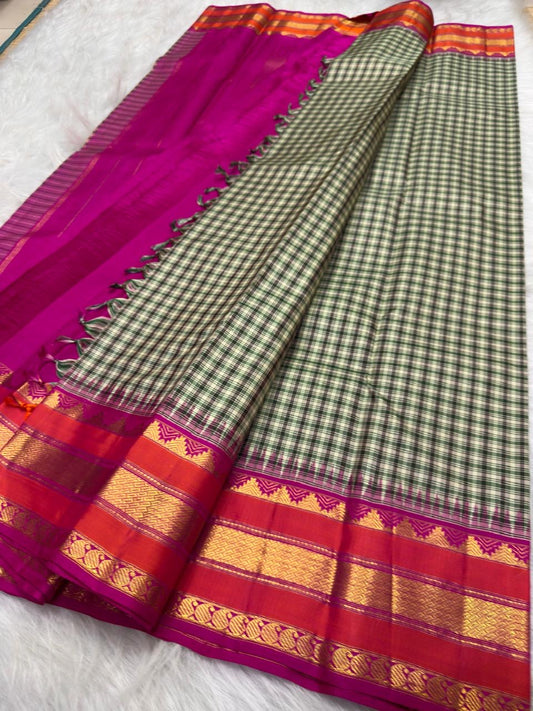
Vintage Checked Handwoven Pure Silk Kanchipuram Varisaipet Saree with Raspberry Pink Pallu and Coral Orange Zari Border
Regular price $339.00Sale price $339.00 Regular priceUnit price per -
Vendor:Idam Living
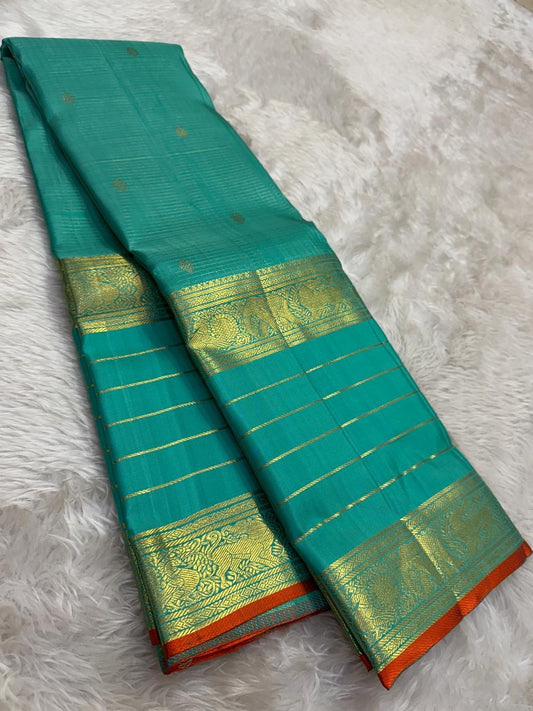
Aqua Turquoise and Burnt Orange Handwoven Pure Silk Kanchipuram Varisaipet Saree with Petite Zari Buttas, Grand Layered Border and Ornate Pallu
Regular price $339.00Sale price $339.00 Regular priceUnit price per -
Vendor:Idam Living
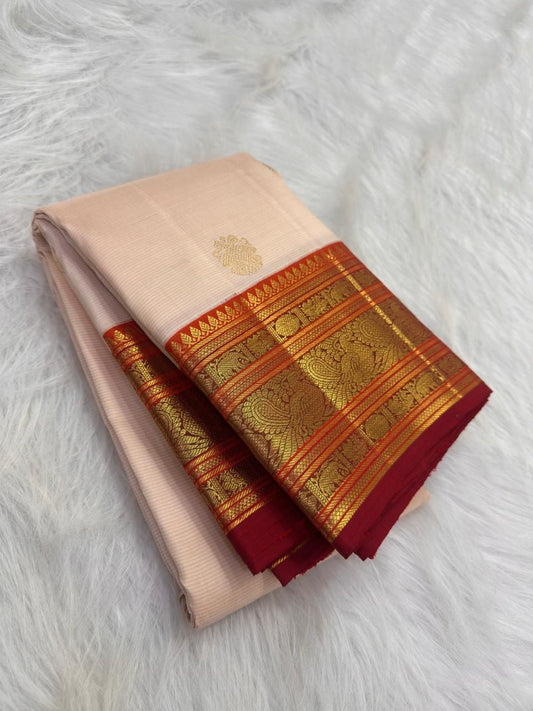
Pearl Pink Varisaipet Pure Silk Kanchipuram Saree with Pillar Box Red Border and Kamadhenu Pallu
Regular price $374.00Sale price $374.00 Regular priceUnit price per

Frequently Asked Questions
What is Varisaipet in a Kanchipuram silk saree?
In Tamil, varisai means row — a series, a sequence, a structured repetition. Varisaipet is the Kanchipuram border tradition of the border as a series of lines. Also written as Varusai Pett or Varisai Pet across different South Indian communities, it is the traditional multi-band border structure of repeated woven lines: multiple parallel bands of zari and coloured silk, each one a separate woven structure, running along the full length of the saree selvedge from body edge to outer edge. Together these bands create a border of layered geometric rhythm — structured, graduated, and unmistakably Kanchipuram. A Varisaipet Kanjivaram or Varisaipet Kanjeevaram is recognisable by its border: that series of parallel bands building outward from the body edge in a rhythm of increasing richness, each band adding its own line to the composition until the border arrives at the selvedge with the authority of something composed, not applied.
Why is Varisaipet so often confused with Rettapet — and how do you tell them apart?
Varisaipet and Rettapet are the two most discussed multi-band border traditions in Kanchipuram weaving, and the confusion between them is understandable — both feature parallel woven lines running along the saree selvedge, and at a glance a simple Varisaipet and a Rettapet can look similar. The distinction is in the number of bands and what that number signals. Rettapet is fixed and precise — exactly two parallel border bands, never more. The twin-band structure is its defining characteristic, and its elegance lies in that exactness. Varisaipet is not fixed — it is a tradition of accumulated lines, anywhere from three bands to fifteen or more, each additional band adding weight, density, and ceremonial register to the border. A two-band Varisaipet and a Rettapet may be indistinguishable at first look. A seven-band or twelve-band Varisaipet is something qualitatively different — a border of layered ceremonial authority that a Rettapet, by its very nature, can never become. The practical test: count the distinct parallel bands at the selvedge. Two bands — Rettapet. Three or more — Varisaipet.
How does the zari density of a Varisaipet border tell you what occasion the saree is for?
The number and density of zari bands in a Varisaipet border is the clearest indicator of a saree's occasion register — more reliable than body colour, more telling than body weave type. A Varisaipet Kancheepuram with five or six bands in fine antique gold, cleanly spaced, reads as refined and restrained — appropriate for temple visits, cultural events, Pongal celebrations, and daytime functions. A Varisaipet Kanjeevaram with ten, twelve, or more bands in dense antique gold — the bands closely packed, the gold filling most of the border width — carries the full ceremonial authority of formal South Indian weddings, muhurtham ceremonies, Navarathri Golu, and the most significant family occasions. The same body colour and body weave can carry either border register. This scalability — from a five-band everyday festive Varisaipet to a twelve-band full ceremonial Varisaipet — is what makes Varisaipet the most occasion-flexible border tradition in the Kanchipuram vocabulary. You can build an entire Kanchipuram silk saree wardrobe around Varisaipet alone and cover every occasion on the Indian calendar in the USA without repetition.
What body weave types pair best with a Varisaipet border?
The Varisaipet border is the most widely paired border in the Kanchipuram tradition because its layered linear structure is architecturally compatible with every body weave. With a Zari Kattam grid body, the parallel lines of the Varisaipet continue and amplify the geometric grammar of the body — the border reading as the culmination of the grid rather than a separate element. With a Vairaoosi shimmer body, the Varisaipet provides a strong structural anchor for the all-over directional shimmer — the defined parallel bands giving the saree a grounded selvedge against which the body shimmer reads more luminously. With a plain silk body in a deep ceremonial colour, the Varisaipet becomes the entire visual statement — the layered gold bands carrying the full ceremonial weight of the saree on their own. With a Kanchi Kattam or Paalum Pazhamum check body, a Varisaipet in a colour drawn from the check palette creates a seamless visual flow from body to border — the check colour extending into the border band and tying the entire composition together as a unified whole.
How does a Varisaipet pallu differ from the border — and what makes it the most celebrated part of the saree?
In a full Varisaipet Kanchipuram saree, the pallu does not simply repeat the border — it deepens and expands it. Where the border carries the Varisaipet line grammar along the narrow selvedge, the pallu carries that same grammar across the full terminal width of the saree — the bands now running horizontally across the pallu expanse, increasing in width and density as they build toward the outer edge. In the most elaborate Varisaipet pallus, the bands are graduated — broadest at the outer edge, tapering as they approach the body — creating a cascading display of layered zari work that makes the pallu the visual centrepiece of the saree when the pallu falls freely over the shoulder. This graduated Varisaipet pallu is one of the most immediately recognisable signatures of the Kanchipuram tradition — the element that distinguishes a full Varisaipet Kanjivaram from a saree that merely carries Varisaipet detailing at the selvedge. For wedding and muhurtham occasions in the USA, where the pallu is the most photographed element of the drape, the graduated Varisaipet pallu is the construction that photographs with the greatest presence, depth, and ceremonial authority.
Why is Varisaipet considered the most formally ceremonial border in the Kanchipuram tradition?
Because no other Kanchipuram border can accumulate weight the way Varisaipet can. The Korvai border makes its statement through colour contrast — the crisp boundary between body and border created by the structural interlocking of two separately woven elements. The Rettapet makes its statement through geometric precision — the clean authority of exactly two parallel lines. But Varisaipet makes its statement through accumulation — band upon band of gold zari, each one adding to the ceremonial density of the border, the total effect something that grows in visual authority as the number of bands increases. A twelve-band Varisaipet in dense antique gold, with its graduated pallu cascading across the terminal drape, is the heaviest and most formally authoritative border construction in the Kanchipuram vocabulary. It is the border worn at the most significant occasions — bridal muhurtham ceremonies, temple consecrations, Brahmotsavam celebrations, and the family milestones that mark a lifetime. No other border tradition in Kanchipuram — not Korvai, not Rettapet, not temple border — can match the full ceremonial weight of a complete Varisaipet Kanjivaram or Varisaipet Kanjeevaram at its most elaborate expression.
How does Idam Living source Varisaipet Kanchipuram sarees directly from the weavers — and why does that matter to you?
Most Varisaipet Kanjivaram sarees sold in the USA pass through three to five intermediaries between the loom and the buyer — the weaver sells to a local agent, who sells to a Chennai wholesale house, who sells to an exporter, who sells to a retailer, who ships to the USA. At every stage the price increases and traceability disappears. Idam Living removes every link in that chain. Our founder Anula Naidu's maternal grandfather's family are generational weavers from Kunnam village, Kanchipuram — we source directly from the families at the loom, which means you receive the saree at its most authentic and the weaver receives a fair return for their work. Every Varisaipet Kancheepuram saree at Idam Living is Silk Mark certified by the Central Silk Board of India, confirming 100% pure mulberry silk in both body and border. Each piece arrives falls and pico finished and ready to drape, ships free to all 50 US states from New Jersey, and comes in a pure cotton storage bag — the correct long-term home for a Kanchipuram silk saree, keeping both the mulberry silk and the gold zari bands fresh across decades of storage.
What is the best way to store a Varisaipet Kanchipuram saree to keep the zari bands at their best?
The Varisaipet border bands — woven structurally into the fabric at the loom as part of the same thread structure as the silk body — are as permanent as the silk itself and will not tarnish, fray, or deteriorate under normal conditions. The two enemies of a Varisaipet Kanjivaram or Varisaipet Kanjeevaram in long-term storage are humidity and permanent fold lines. Humidity causes zari to dull gradually over time; the solution is the pure cotton storage bag that comes with every Idam Living saree — cotton breathes naturally, releases moisture rather than trapping it, and preserves both silk freshness and zari lustre across decades in a way that plastic or synthetic covers cannot. For the Varisaipet border specifically, there is one additional rule: never fold the saree along the same lines twice in succession. The parallel bands of a Varisaipet border are woven at high thread density — repeated folding at the same point creates cumulative crease stress precisely at those bands. Refold along different lines every few months, store in cotton, keep away from direct sunlight and perfume, and your Varisaipet Kancheepuram will be as crisp and luminous in twenty years as it is today.